
Why now
The recovery is on the record. The early window will not stay open.
The economy has stabilised, and new incentives reward building outside Accra.
Sources: GIPA, Bank of Ghana, Fitch Ratings.
- 5.0%Inflation, August 20262026EstimateSource: Bank of Ghana
Costs can be planned in cedis again.
- BFitch sovereign rating, upgraded May 20262026EstimateSource: Fitch Ratings
Outlook positive. Agencies now read the trend as improving.
- US$12.9BInternational reserves, June 20262026EstimateSource: Bank of Ghana
A deeper buffer against currency swings.
- US$2.62BForeign direct investment recorded in 20252025EstimateSource: GIPA
Early entrants pick partners and sites first.
Most investment stops in Accra. The incentives don't.
In 2025, 143 of 181 new foreign projects went to Greater Accra.
Up to 50%
Tax rebate for factories located outside Accra and Tema
12.5%
Corporate tax for manufacturing in rural areas (18.75% in regional capitals)
1% for 5 years
Corporate tax for agro-processing
1% for 10 years
Corporate tax for tree crop and cattle farming
Explore the 16 regions
Choose a region to see its capital and strengths.
Ghana's new investment law, in plain terms.
No general minimum capital
Removed for joint ventures and foreign-owned companies by the GIPA Act 2026.
Know the trading rule
Buy-and-resell businesses still need US$500,000 in cash equity and a team at least 75% skilled Ghanaians, even with one foreign owner or director. We help you plan around it.
Registered in 5 working days
Or 24 hours expedited. Guarantees against expropriation and the right to transfer profits.
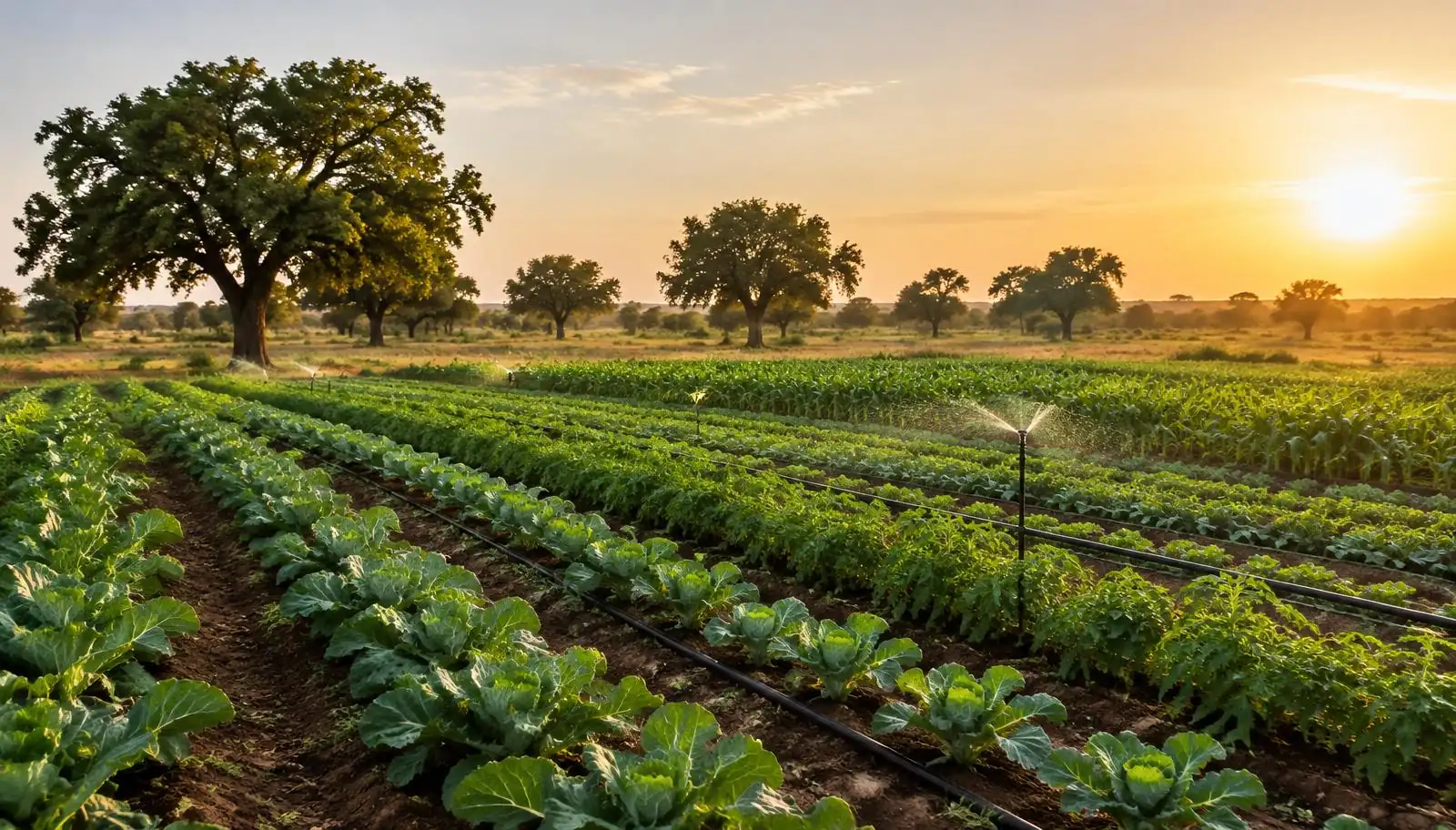
The diaspora sends money home. Very little of it becomes registered investment.
In 2025: 4 registered projects from the US, 8 from the UK. We exist to change that.
Four steps, one team.
- 1
Tell us your goals
Two minutes: what, where, and at what scale.
- 2
We map the fit
Region, sector, incentives and rules.
- 3
We make the introductions
Projects, regional offices, advisers and partners.
- 4
We help you land
Delegations to Ghana and business setup.
R17GH does not hold funds or sell securities. We inform, connect and facilitate.
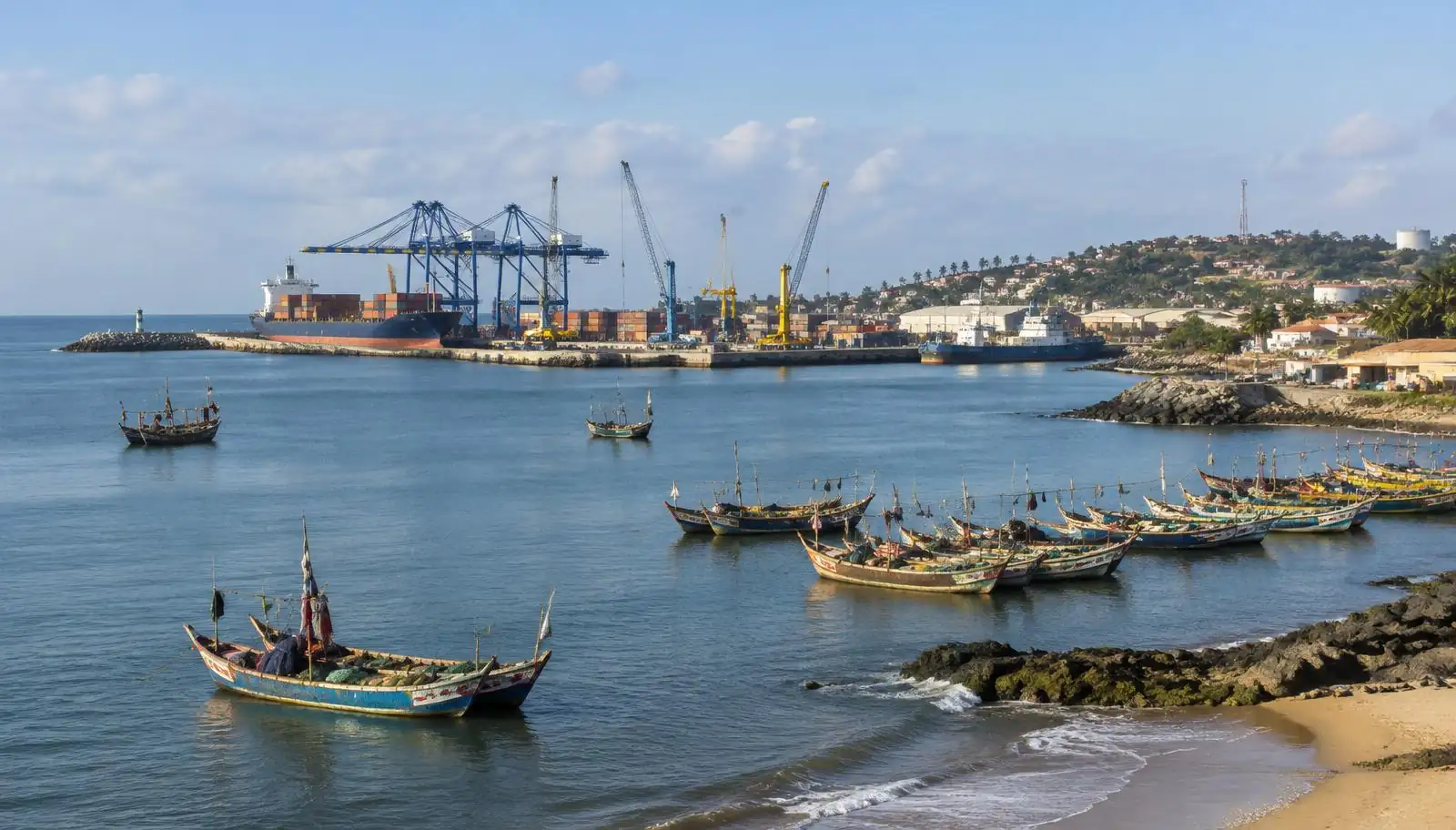
Where Ghana is asking for capital.
Step 1 of 2
Tell us what you want to build
Two quick steps. We reply personally.
Before you write to us.
Do I need to be Ghanaian to invest?
No. R17GH works with the whole African diaspora and its allies. Some rules differ by nationality and business type, and we'll walk you through the ones that apply to you.
Is there a minimum amount?
Not for most businesses under the 2026 law. Trading businesses are the main exception. Tell us your plans and we'll be specific.
Does R17GH take or manage my money?
No. R17GH never holds funds and does not sell investments. We connect you with the people, projects and institutions that do.
Is R17GH a government agency?
No. R17GH is a US 501(c)(3) nonprofit working in partnership with the Embassy of Ghana to the United States. We have no say over any government decision or approval.
What happens after I submit?
A member of the R17GH team reviews your details and replies personally, usually within three business days.
Still have a question?
Answers come only from what this page publishes.
Automated answers can be wrong. They are not financial, legal or immigration advice.